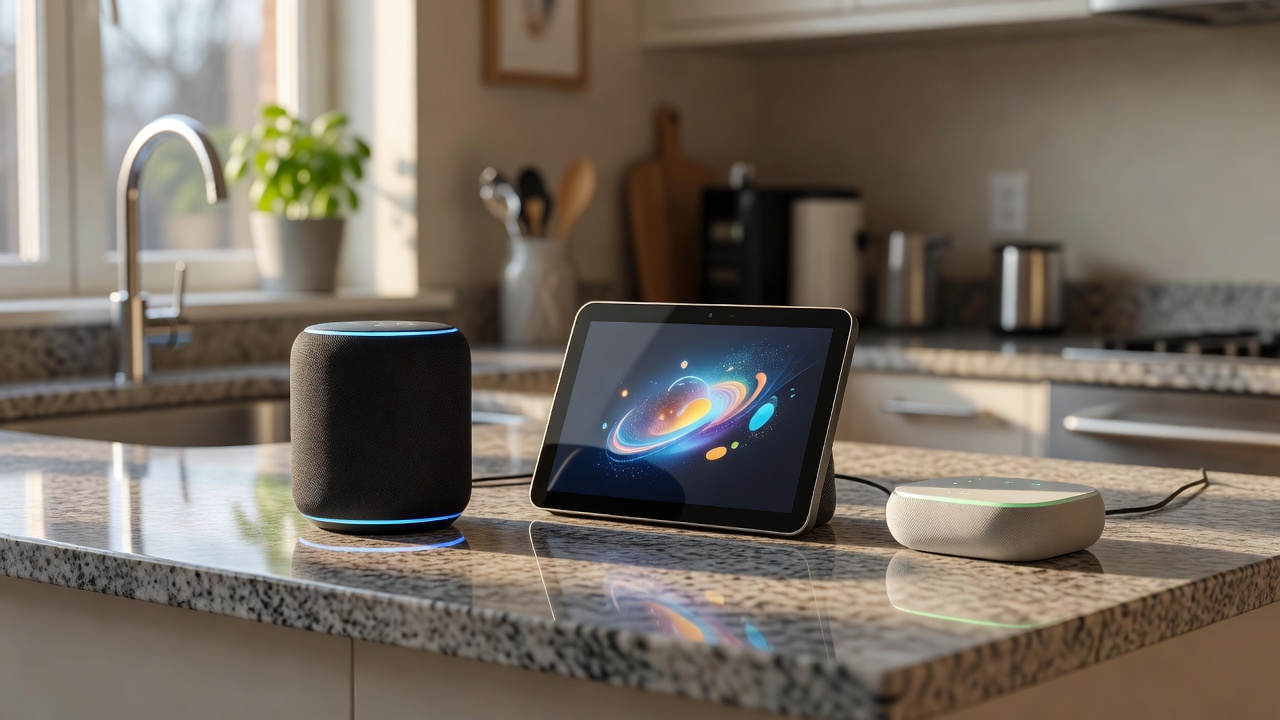
A smart doorbell provides substantial value as a standalone device via its smartphone app. However, its true potential is unlocked when integrated into a broader smart home ecosystem. By connecting your entryway hardware to voice assistants, smart displays, and automated routines, you transform a simple notification tool into a responsive hub for home management.
Choosing the Right Ecosystem
The smart home landscape is dominated by a few major platform ecosystems. When selecting a smart doorbell, it is highly recommended to choose a model engineered to play nicely with the smart speakers and displays you already own. Cross-compatibility exists, but staying within a designated ecosystem often yields a smoother, more feature-rich experience.
For example, if your home is populated with specific branded smart displays, a doorbell produced by the same parent company will inherently offer tighter integration, such as instantly routing live video feeds to the display without requiring specific voice commands.
Smart Displays as Digital Peep-holes
The most immediate benefit of integration is the use of smart displays. When someone presses the doorbell, a connected smart display can automatically pull up a live, two-way audio/video feed. This acts as a modern, oversized peep-hole, allowing you to see and converse with visitors from the kitchen or home office without needing to reach for your smartphone.
Configuring this usually requires linking the manufacturer's skill or service within your primary smart home management application. Once linked, you can toggle settings to allow automatic video routing upon a button press.
Voice Assistant Capabilities
Smart speakers placed throughout the home can serve as expanded indoor chimes. If you are in a room far from the physical doorbell chime, your smart speakers can be configured to announce, "Someone is at the front door," ensuring you never miss a visitor.
Furthermore, voice commands can be utilized to pull up camera feeds on compatible televisions or displays. A simple command such as "Show me the front door camera" allows for hands-free perimeter checking.
Automations and Routines
Beyond simple notifications, smart doorbells can act as trigger mechanisms for complex home automation routines.
- Lighting Triggers: You can create a routine where motion detected by the doorbell between sunset and sunrise automatically turns on your smart porch lights and entryway lamps, deterring potential intruders and aiding visitor visibility.
- Security System Integration: Some ecosystems allow the doorbell to communicate with smart door locks. From the same screen where you are conversing with a visitor, you might have the option to trigger the smart deadbolt to let them inside.
- Do Not Disturb: Routines can also silence doorbell chimes during specific hours (such as a baby's nap time), routing alerts solely to your smartphone or smart watch instead of ringing loudly through the house.
The Future: Matter Compatibility
The smart home industry is slowly adopting a unifying protocol called Matter, designed to break down ecosystem walls and allow cross-compatibility regardless of the manufacturer. While camera and doorbell specifications under the Matter standard are still evolving, purchasing devices with future firmware update paths toward Matter compatibility is a wise strategy for long-term integration planning.