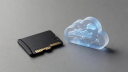
A smart doorbell's utility extends beyond live viewing; the ability to review past events is crucial for security and convenience. However, how and where that video data is stored varies significantly between manufacturers. The industry is broadly split between two methodologies: cloud-based subscription storage and localized hardware storage. Understanding these options is vital for both managing long-term costs and ensuring data privacy.
Cloud Storage Subscriptions
The prevailing model in the smart home industry heavily favors cloud storage. In this ecosystem, when your doorbell detects motion or a button press, the video file is securely encrypted and uploaded to remote servers managed by the manufacturer. You can then access these recordings via your smartphone app from anywhere in the world.
The Benefits of the Cloud
Cloud storage offers significant security against hardware tampering. If an intruder steals your doorbell unit, the footage of them committing the act is already safely off-site. Additionally, cloud ecosystems often utilize vast server-side computing power to enable advanced features that the doorbell's internal processor couldn't handle. This includes advanced AI object detection (differentiating between a person, an animal, or a package) and facial recognition capabilities.
The Ongoing Cost
The primary disadvantage of cloud storage is the recurring financial commitment. Without a subscription, many prominent brand devices revert to basic live-view only, refusing to save any footage of missed events. These subscriptions typically offer tier-based pricing based on video retention limits (e.g., storing footage for 30, 60, or 180 days) and the number of cameras covered under the plan. Over a few years, subscription fees can easily exceed the initial cost of the hardware itself.
Local Storage Options
A growing segment of the market caters to consumers seeking an alternative to monthly fees. These devices utilize local storage, saving footage directly to physical media owned by the user.
MicroSD Cards and Base Stations
Local storage is typically implemented in two ways. The most straightforward is an onboard MicroSD card slot integrated directly into the doorbell unit. When the card reaches capacity, the software automatically overwrites the oldest footage.
A more secure local setup involves a separate internal hub or base station kept inside the home. The doorbell transmits footage wirelessly to this internal hub, which houses the storage drive. This mitigates the risk of a thief walking away with both the camera and the evidence.
Advantages of Keeping Data Local
The financial appeal of local storage is clear: pay once for the hardware, and never pay a monthly fee. Beyond cost, local storage offers superior privacy. Your video data remains entirely within your physical possession, never passing through third-party servers where it could be subject to external data breaches, employee mishandling, or broad law enforcement requests.
Hybrid Approaches and Considerations
Some manufacturers offer a hybrid approach, allowing users to save footage locally while offering optional cloud backups or advanced AI features behind a paywall. When evaluating a device, read the feature specifications carefully. Determine exactly which features (like rich notifications with image previews or custom activity zones) are included out-of-the-box and which are artificially locked behind a subscription tier.